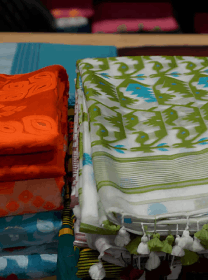
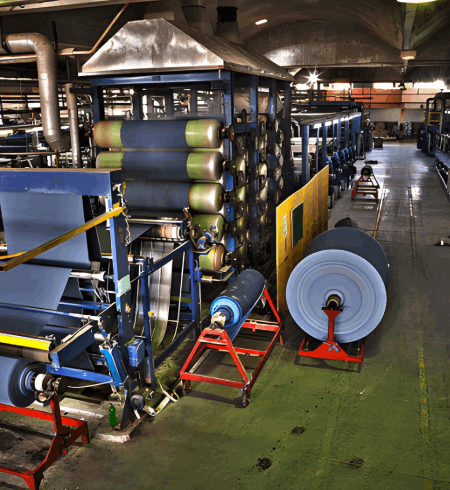
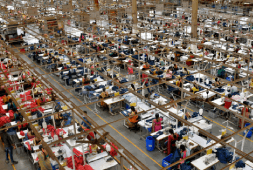
The global Textiles and Garments Industry is a massive sector, currently valued at approximately $1.84 Trillion (Apparel Market, 2025) and the broader Textile Market around $660 Billion (2025), with a strong growth trajectory driven by Asia-Pacific and advancements in technology and sustainability

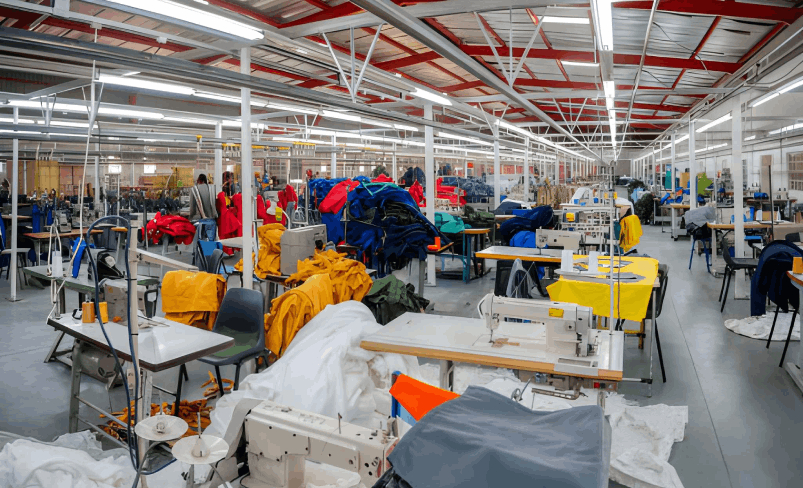
| Market Segment | Estimated Size (2025) | Projected Growth (CAGR) | Future Projection |
| Global Apparel Market | Trillion | (2025-2028) | Continued growth, driven by consumer spending and urbanization. |
| Global Textile Market | Billion | (2025-2029) | Expected to reach Billion by 2029. |
| Global Secondhand Apparel | Billion | (2025-2030) | Expected to reach Billion by 2030. |
| India's T&A Sector | Billion (2024-25) | (2025-2033) | India targets a $350 Billion industry size by 2030. |
Sustainability is no longer a niche but a central operational requirement, driven by consumers and global regulation (like the EU's Digital Product Passport).
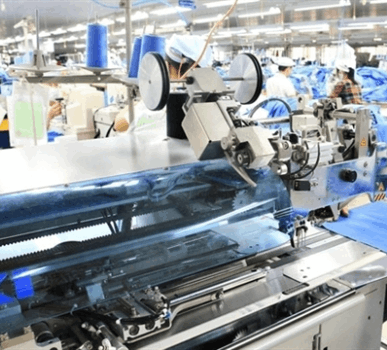
Technology is optimizing the value chain, from design to retail.
This high-growth segment is expanding beyond apparel into industrial and medical applications.
Consumers are demanding personalized and unique products.
While an opportunity, meeting stringent decarbonization goals and new environmental regulations is costly for manufacturers, especially for those with outdated infrastructure
Geopolitical instability (tariffs, trade wars), inflation, and climate change are causing disruptions and cost increases for raw materials and logistics.
High return rates, primarily due to sizing and fit issues, increase logistical costs and environmental waste
The industry faces a deficit of skilled workers, particularly those with combined knowledge of apparel/textiles and IT/digital technology.
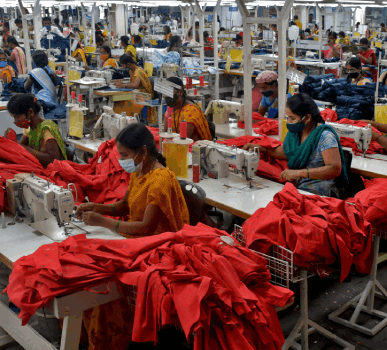
Persistent pressure to ensure ethical labor and fair wages throughout the supply chain remains a key challenge, especially in major manufacturing hubs